
In today’s world, Information Technology (IT) is no longer optional—it is one of the strongest tools for personal growth, career advancement, and economic empowerment. Recognizing this, a vocational IT training was organized to equip participants with practical digital skills that can help them succeed in the modern workplace and business environment.
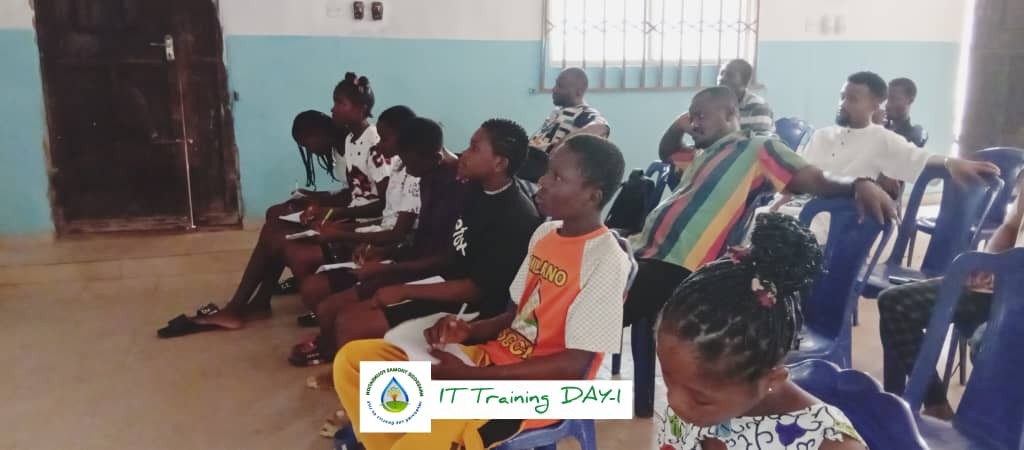
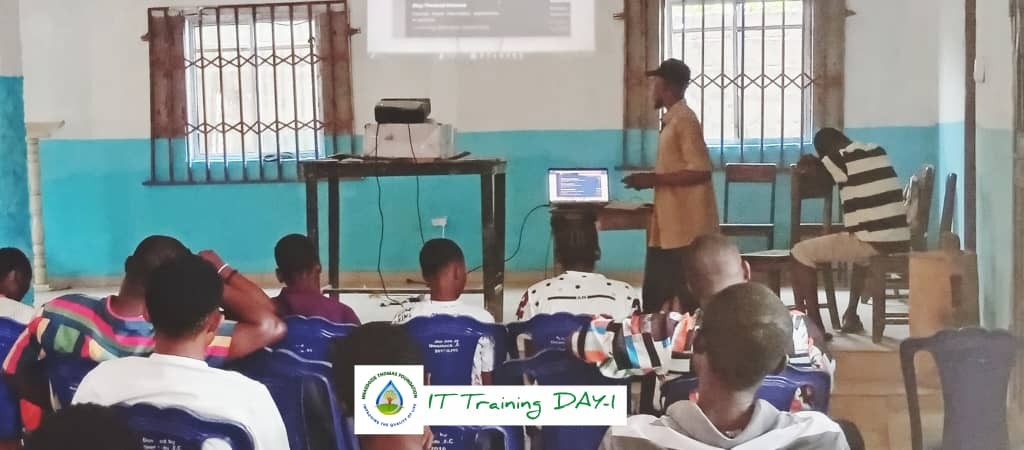
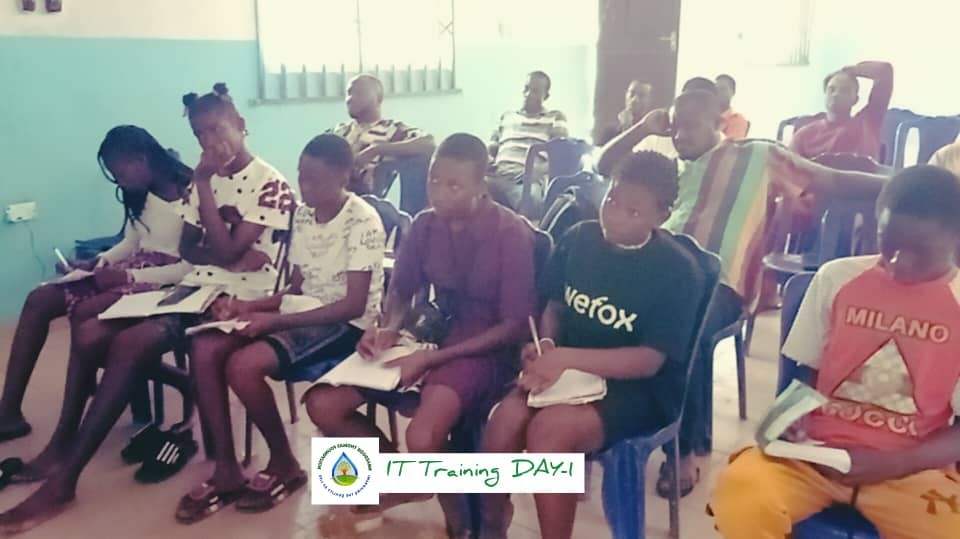
The training was held in Mbaise, Imo State, from December 21 to December 24, 2025, with a focus on website design, AI prompt engineering, and social media optimization. These are fast-growing areas that offer real opportunities for employment, entrepreneurship, and personal development.
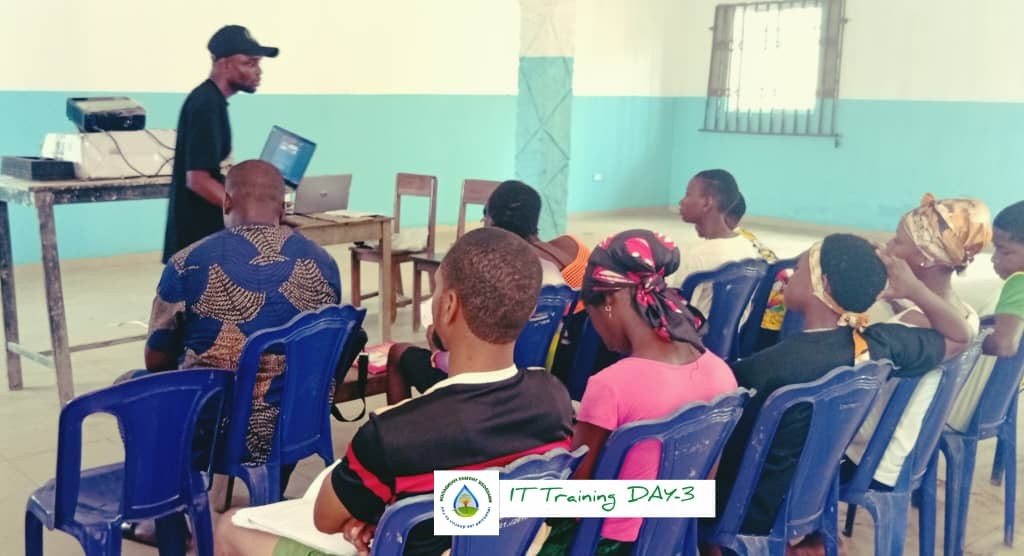
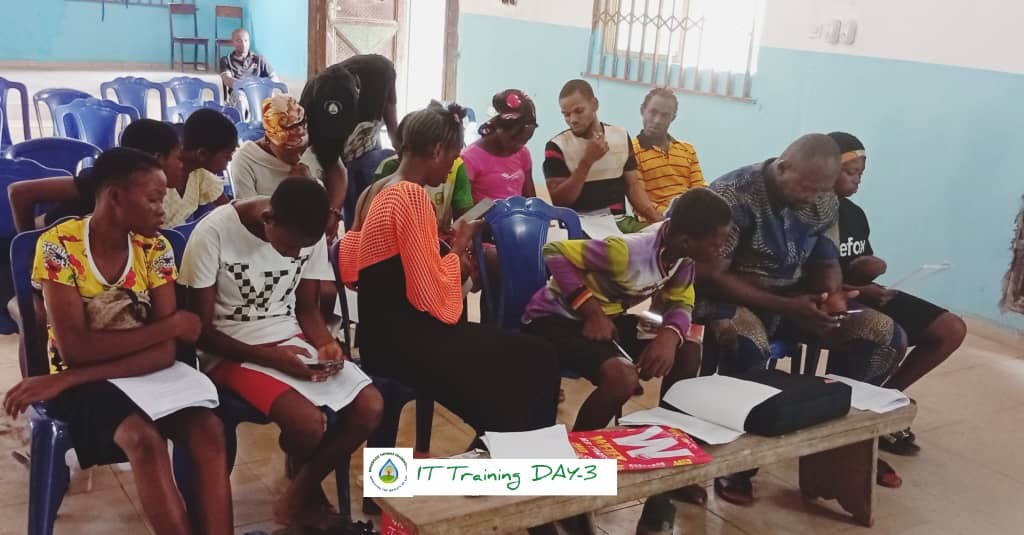
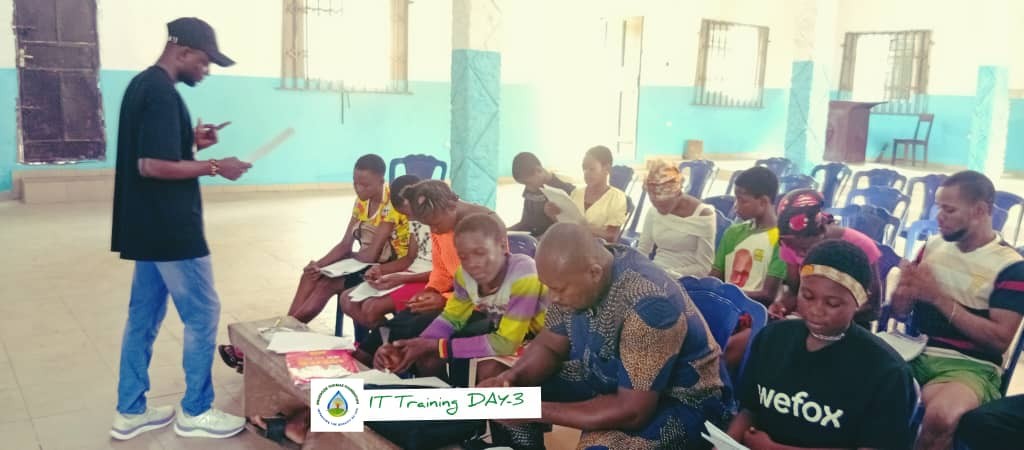
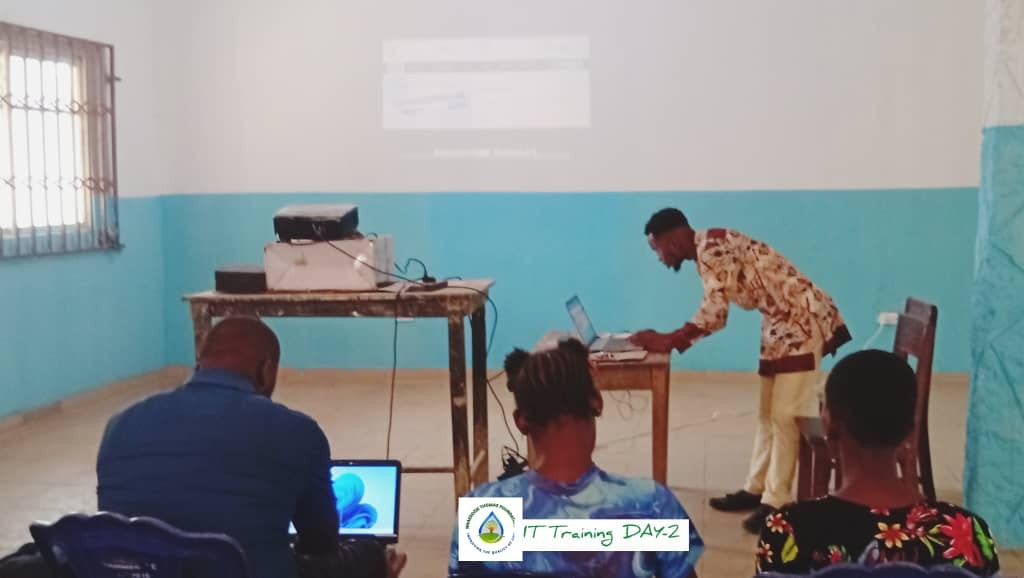
Throughout the program, participants received hands-on learning and practical guidance across key technical areas. They were introduced to essential IT tools and software applications, and gained skills that improve their ability to work confidently in a technology-driven world. This kind of training not only boosts employability, but also helps individuals stay relevant as technology continues to evolve.
Beyond job readiness, IT vocational training helps bridge the digital divide. By providing digital literacy and practical skills, the program supports inclusion—ensuring that people from different backgrounds can participate meaningfully in the digital economy. This is an important step toward reducing inequality and expanding access to opportunities.
The training also encouraged creativity and innovation. With the right knowledge, individuals can build solutions, develop websites, and grow digital services that meet real needs. For aspiring entrepreneurs, these skills provide a foundation for creating and marketing products online, opening doors to self-employment and business growth.
As the demand for skilled tech professionals continues to rise, training programs that match real industry needs become even more important. Participants not only learn useful skills for today’s job market, but also develop the ability to adapt to new trends and emerging tools—an advantage in a fast-changing digital space.

In addition, IT skills support remote work and freelancing opportunities. With digital competence, individuals can work from anywhere and access a wider job market without being limited by location—creating more flexibility and more income options.
IT is a field that rewards continuous learning, and this training helped participants build more than just technical skills. It strengthened problem-solving, critical thinking, and adaptability—qualities that are valuable in both professional and personal life.
Most importantly, the impact goes beyond the individual. When people gain digital skills, entire communities benefit. Trained participants can support others, share knowledge, provide technical assistance, and even initiate community-based tech projects that drive local development.
Ultimately, empowerment through IT vocational training is more than learning how to use technology—it is about unlocking opportunities, building confidence, and helping individuals shape their future in the digital age.